
My dad has Parkinson’s. He’s also showing early signs of dementia and Alzheimer’s.
It’s hard to watch. But something in me keeps asking—
What if the way we hold the body could help?
What if posture isn’t just a symptom, but part of the healing?
I’ve been teaching yoga for years. I also study anatomy. So I started paying attention. Watching how my dad moves. Noticing how his head shifts forward. How his breath shortens. How his walk has changed.
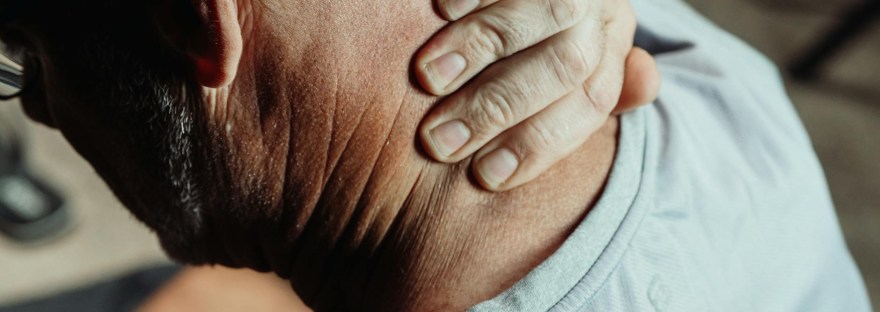
It’s more than aging. Something deeper is happening in the spine and neck.
The Neck-Brain Link
This area—the upper spine and neck—is powerful.
It holds:
- The vagus nerve, which calms the nervous system and supports memory, mood, and digestion
- The vertebral arteries, which carry blood to the brainstem and cerebellum
- The lymphatic drainage pathways, which remove waste from the brain
- The cervical spinal cord, which influences speech, balance, and movement
When the neck becomes compressed, these systems can struggle.
Poor posture might slow blood flow. It might increase pressure in the brain.
Over time, this could affect memory, voice, emotion, or coordination.
What I’m Seeing
When I guide my dad through breath or gentle release, something shifts.
His voice softens. His walking becomes more steady. His gaze feels clearer.
One of the most surprising changes came after I guided him through nadi shodhana—alternate nostril breathing.
For weeks, he had been saying the room looked tilted. He would lean his body to one side, trying to correct it.
But after just one practice, he stopped tilting. He stopped saying the room was slanted.
It was like something rebalanced—not just in his body, but in his brain.
These moments feel small—but meaningful.
I’m not claiming a cure. I’m exploring what’s possible.
A Simple Daily Practice
Here’s one position that helps calm his system:
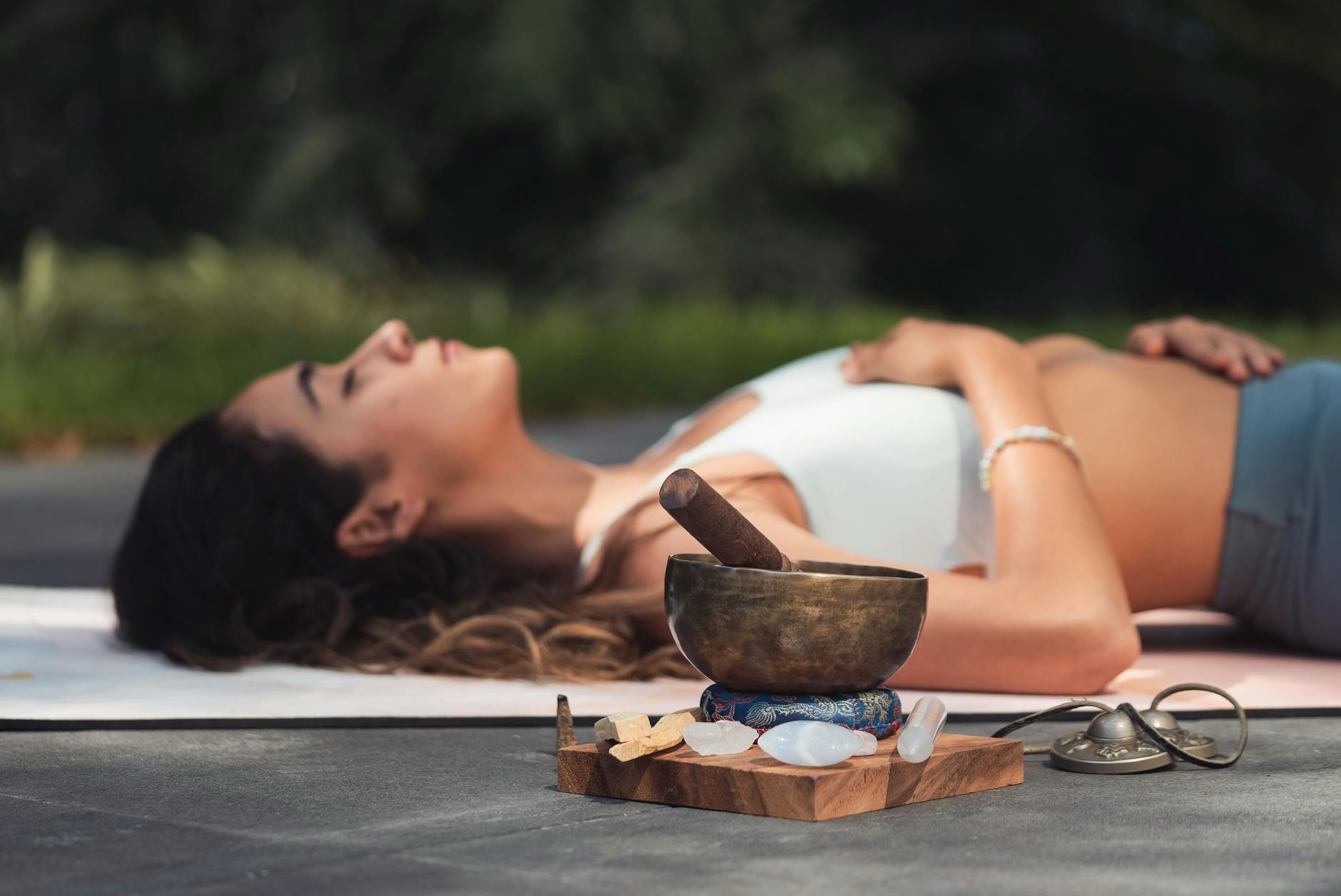
Lie on your back. Place a pillow under your knees. Add a soft towel roll under your upper back (heart area). Place another small towel under the neck, not the head. Let the arms rest out to the sides. Close the eyes. Relax the jaw. Breathe slowly. Stay here for 5–10 minutes.
It decompresses the neck. It opens the chest.
It helps the nervous system reset.
A Personal Path
This is more than yoga. It’s my way of caring for my dad.
Of using what I know to support his body and mind.
I believe healing can start here—right at the base of the skull.
If someone you love is going through something similar, you’re not alone.
There is a path. It might start with posture.
It might start with breath.
Thanks for reading,
Niki

 Niki Kaur Yoga & Wellness